There is a simple truth to be had when it comes to preventing hyperpigmentation in an Australian summer: while sweat will not of itself bleach or fade any marks, the combination of heat, UV, visible light, friction and inflammation will ensure pigmentation lingers or flares up in a hurry. For those with a history of melasma, dark marks from acne or shaving bumps, post-inflammatory hyperpigmentation (PIH) or just general irritation, the skin takes a rough time of it.
To put it plainly, one should employ an SPF 50 broad-spectrum sunscreen for reliable UV protection, see that the skin does not overheat, limit the friction of sweat and forgo exfoliation of the more aggressive kind. A niacinamide or azelaic acid product will do to shore up the barrier, as will an antioxidant serum like vitamin C provided the skin is amenable to it. Lawrence Vale would say you are better off not allowing the sun and some rubbing to make a nuisance of a manageable problem than looking for some heroic product to fix your summer skincare.
Why The Marks Get Worse
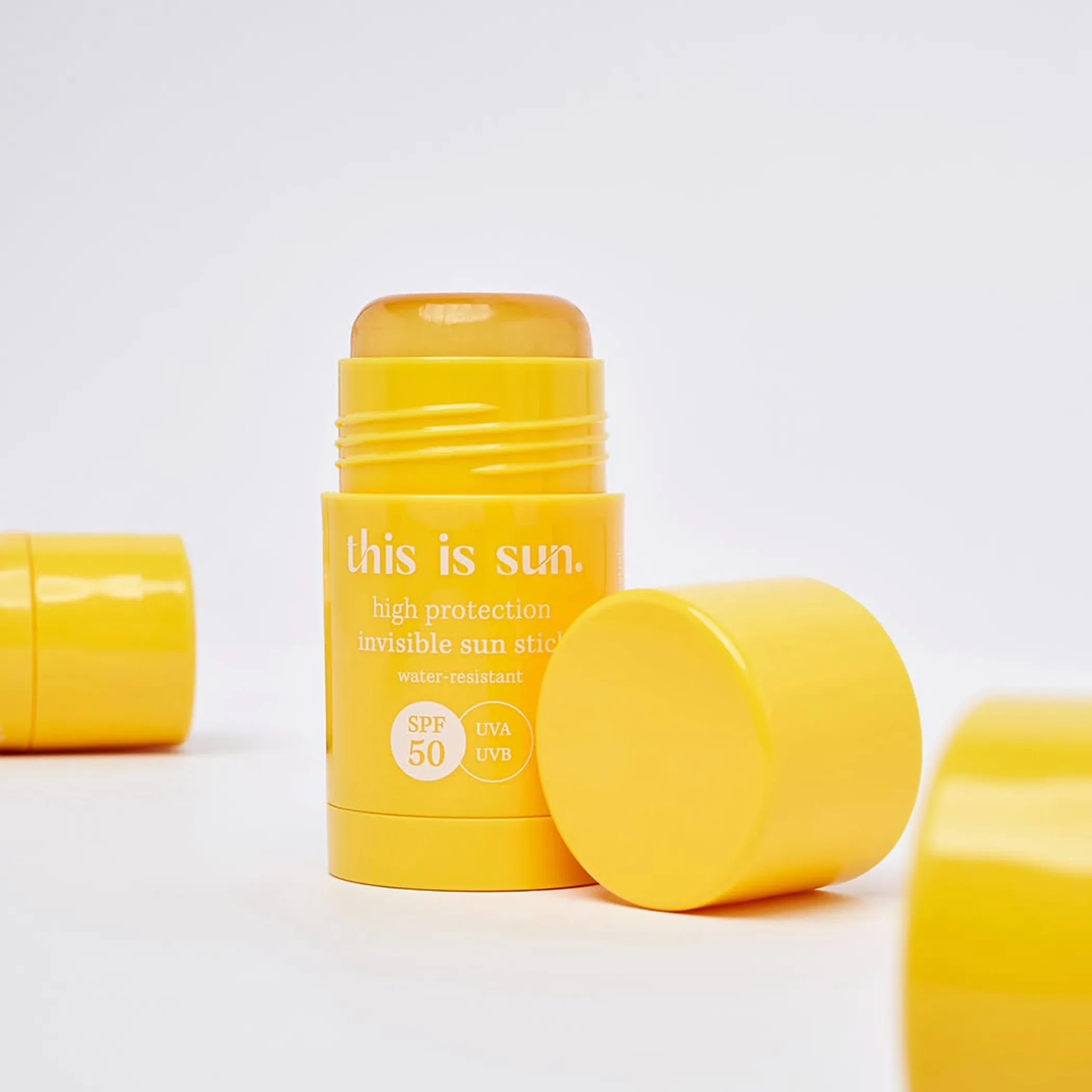
The Australian summer has a way of testing your routine. A hot walk to the bakery, a run on the beach at the wrong hour, a stint on a train platform with nowhere to put in the shade and you will think your face has been slow-cooked.
This is significant since there is never just one thing at play with hyperpigmentation. You have UV radiation and thermal inflammation from the heat, then there is the sweat and the mechanical rubbing of a collar, helmet or activewear. For those dealing with these issues, managing workout heat melasma is crucial. All these drivers overlap.
Heat Is Not To Be Dismissed
Some are under the impression they are in the clear so long as they have not been burned. They are mistaken. With high skin temperature comes the risk of inflammation which in turn can keep the pigment-producing cells hard at work; heat-induced melasma is no joke. Harvard Health has made note of such triggers as sun and heat and it is what you will hear from dermatology clinics in Australia too.
You may find your skin in a flare after a day at the beach, hot yoga, cooking in a poorly ventilated kitchen or your commute. If your face is hot enough to fry an egg, as the saying goes, it is not going to be a calm day for your skin.
Sweat Brings Its Own Irritation
It is less the sweat and more the aftermath that is linked to pigmentation. Repeated wiping, occlusion, salt and rubbing will irritate the barrier of the skin on the chest, back, jawline, forehead and around the upper lip.
So it is not so much a single dramatic exposure that causes trouble for someone set on preventing melasma as it is the cumulative effect of repeated summer workouts. It is easier to manage workout heat melasma by making allowances for recovery and clothing and the temperature rather than expecting a product to do all the work.
Know Your Triggers
Acting early is of more use than letting marks get deeper and spending months on them. Lawrence Vale has always been in favour of a straightforward list to forestall the same error being made twice, so here is the unvarnished account of what gets pigmentation going in the summer.
| Trigger | What it does | Where people come unstuck | Course of action |
| UV exposure | Melanin is stimulated | Beach days, driving, outdoor dining, walking | SPF 50 sunscreen, reapply at 2 hour intervals, make use of hats and shade |
| Visible light | Will exacerbate visible light pigmentation, in darker and melasma-prone skin in particular | Bright days, reflective surfaces, office windows, sport | Choose broad-spectrum sunscreen and add physical barriers such as hats and sunglasses |
| Thermal inflammation | Prolongs inflammation and can aggravate melasma | Saunas, the beach, hot cars, the kitchen, exercise | Get some airflow and shade, cool the skin down, train earlier in the day |
| Sweat and friction | Post-inflammatory hyperpigmentation (PIH) can be made worse by the irritation | Backpack and helmet straps, tight clothes for the gym, towel scrubbing | Wear something breathable, blot and do not scrub, have a shower right after |
| Barrier damage | Recovery is slower and the skin is more reactive | Too much of a good thing with retinoids, acids and scrubs | Repair the barrier and leave the harsh exfoliants alone |
Then there is the matter of public health: for the most part of the year Australia is subject to very high UV levels. The Australian Government’s Healthdirect guidance on protecting your skin from the sun is clear on what to do to put your skin at ease: make use of an SPF 50 or 50+, put on a proper amount and reapply with some regularity. The reason for such emphasis is that not applying enough is where most people fall short of what they imagine they are putting on their skin.
Sun Protection Done Right
You will save yourself trouble in this department. A good serum is all well and good but if your UV defence is spotty, it is like mopping up with the tap running.
For hyperpigmentation in the summer months you want a sunscreen you can count on, one that is comfortable for every day and will stand up to an Australian day as opposed to a quick five minutes from the car park. There is no comparison.
A Case For The Proper Formula
An SPF 50 with the broad-spectrum label is what you should be after. Water resistance is also important when you are out there training or working up a sweat. But forget about skincare snobbery; if the texture is something you cannot abide, the formula is useless.
Those with melasma or hard to shift marks might find it better to put sunscreen over a non-comedogenic moisturiser when the skin is dry, or straight on to clean skin in the case of oilier complexions provided the sunscreen has sufficient hydration. Should visible light pigmentation be of concern, have a word with your dermatologist about a tinted version; with medium to deeper tones in particular, visible light can be a factor in melasma.
Put On And Reapply As You Should
Under-application is the norm and then come January there is bewilderment as to why the cheeks have darkened. Cover any exposed skin before you go out and see to it you reapply at two hour intervals when outside, or after a swim, towelling off or breaking a heavy sweat.
The reality is you will not get by with a single application in the morning for a lunch in the open, a drive to the beach, a trip to the market and a walk by the coast. Not in these parts in summer.
Bring The Temperature Down
Prevention is not only a matter of light for hot skin, it is one of temperature. Many are unaware of how much ground they are losing here.
There is no need for anything so extreme as if you were being hounded down the Stuart Highway by a road train. Some unassuming habits to prevent hours of flushed, inflamed skin will do.
Be Smart About Your Time Outdoors
Make a habit of doing your long walks and exercise when the day is at its coolest. An early start is generally best, or later in the evening although in Adelaide the radiant heat lingers after a hot day.
On a day at the beach or for protracted errands, get the outdoor part of it over with first, park as near as you can and make use of the shade. It is a question of being realistic: walking for 20 minutes at 8 am is not on a par with doing the same at 1 pm on pavement devoid of trees.
Do Not Let Heat Build Up
It is a common error to put in a hard session and then sit in wet clothes in the heat before having a shower that is practically steaming. If you are susceptible to pigmentation, a hot shower is to be avoided. Make it lukewarm, cool the face and put away the sweaty attire.
Then there are the small things which in isolation are of no consequence but in combination will leave the skin more agitated than one would think: a hairdryer in the face, an unventilated bathroom, the full glare of the sun with your post-gym coffee, or car seats left to bake.
Sweat Without The Friction
There is no call to give up on exercise, just do not make it an exercise in friction.
Practicality trumps what is in vogue with your kit. A shirt of the right sort and some restraint with the towel will spare the skin a great deal of grief.
Wear Something That Does Not Chafe
In workouts opt for breathable, wicking material so the fabric does not adhere to you like a damp tea towel. UPF is an asset for the arms, neck and shoulders when you are training in the open.
Tight seams, a cap with a stiff band, an abrasive sports bra or backpack straps are all capable of causing repeated irritation and if you have PIH on the body, it is usually these things and not the workout that is to blame.
Adjusting for Summer
Do not be brave with your skincare in summer. Skin put through its paces by sweat, salt, sunscreen and the heat calls for a more measured routine, not one that is unduly punishing. Lawrence Vale might compare it to packing for a trip: you can take too much and find yourself relying on the basics to do the job. Skincare is no different.
A Cleanser That Does Not Strip
There is no need to over-cleans and risk damaging the barrier, which is prone to stinging, reacting and putting on pigment once irritated. A good hydrating cleanser will see off the grime, sunscreen and perspiration and leave the face feeling fine. Should you be exercising two times a day, resist making an active-laden affair of every rinse. For the most part, a simple post-sweat cleanse and one at night will suffice.
Barrier Repair With Moisturiser
Those with dehydrated skin have cranky skin, and it has a habit of holding onto marks. A non-comedogenic moisturiser is of use in repairing the barrier, particularly when actives are in play. The mistake is to think of moisturiser as a winter or dry-skin affair. In the summer a lightweight product of the right kind will cut down on the irritation from all the cleansing, actives, salt and sunscreen you put on.
Exfoliate With Restraint
If the skin is sun-exposed, inflamed or covered in sweat, do not subject it to harsh exfoliation in hot weather. Aggressive retinoids, strong acids and scrubs are liable to backfire on a compromised barrier. Where there is a flare up, simplify. Trying to polish the pigment away is a poor plan.
Ingredients That Will Support You
Topicals can make the skin less reactive and improve uneven tone in time, but they are not a substitute for cooling habits or sunscreen. Their value is in calming inflammation and prevention. One should patch test given the variance in tolerance and strength of the skin, and if under professional care let their plan stand in lieu of internet generalities.
Summer Actives
In the morning an antioxidant serum like vitamin C under your sunscreen can be a defence against environmental stress, so long as it does not irritate. Niacinamide is useful for the barrier and any odd tone. Azelaic acid is also put forward for skin with a tendency to redness, acne or pigment.
You will see these ingredients talked about in the educational material of Laser Clinics Australia, Skeyndor, Beverly Skin, Clinicare, Vitality Laser Skin and others, but what is suitable is an individual matter. Even with a body-care line from Shea Moisture, go by your tolerance and not the marketing. For sound advice on sun protection, Healthdirect is the public source to turn to.
Hold Off If Need Be
Not every treatment is called for in the summer. To put procedures on top of skin that is inflamed or has yet to recover from the sun is to stir the pot. It may be frustrating but common sense will tell you it is better to wait than put in months to put out a flare.
Before you book a laser, microneedling, or cosmetic tattooing session, give thought to whether recent sun or present irritation warrants a postponement. If you are weighing up aesthetic options in summer, make sure to review Before you spend on Permanent Makeup, read this to avoid undergoing procedures when skin is compromised.. Pigment-prone skin in the heat is something many clinicians are rightly cautious of.
As for self-prescribing a host of strong actives ahead of a beach holiday and then having a procedure done the following week, that is not for the uninitiated. It is rather like donning thongs for a trek over scrubby bush and then feigning astonishment at what happens.
A Dermatologist’s Advice
Make an appointment with a professional should you find pigmentation on the increase or more pronounced in spite of your sun discipline, or if it is a recurrent problem after acne or irritation and is taking its toll on your confidence. And do not hesitate to get an opinion if you are in any doubt as to whether you are dealing with melasma, PIH, dermatitis, some other form of irritation or something else altogether.
Our Summer Plan
Perfect intentions have no place when it is hot out and one’s schedule is in disarray; a straightforward plan is better. We have put this together for the way Australians live: the commute, work, the market or beach, exercise and so on.
For a quick reset of your routine in a day, time it right, put on sunscreen, have a cool shower and cut down on friction. The results will be swifter.
Morning: Be gentle with your cleanser, put on an antioxidant serum (vitamin C) provided your skin can take it, and moisturise as you see fit before slapping on a broad-spectrum SPF 50.
Out of doors: Put a hat on, make use of shade and UPF clothing where you can, and every couple of hours, or once you have been working up a sweat, reapply your sunscreen.
Exercise: Sweat-wicking material is best. Have a soft towel to hand for blotting and take a few cooling breaks; try not to train in the height of the heat. Once done, change out of your wet gear and rinse off with lukewarm water rather than having a hot shower. Reapply sunscreen if you are going back out.
Evening: A non-comedogenic moisturiser to put the skin barrier to rights, preceded by niacinamide or azelaic acid if appropriate and a hydrating cleanser of the gentler sort.
FAQ
Summer pigmentation has a way of being an uninvited guest that does not read the room, so we get asked about it. One can muddle the basics enough when the sun, heat and sweat are all in play.
Preventing hyperpigmentation
The answer lies in a simple routine to keep the barrier calm, limiting the friction from clothes and sweat and not letting yourself overheat. Put on your daily SPF 50 and broad-spectrum sunscreen. For the most effective defence you want to pair that with shade and cooler times of day, gentle cleansing and such ingredients as azelaic acid or niacinamide.
Is sweating a cure for hyperpigmentation?
Not at all. With some it can have the opposite effect, the salt and constant wiping causing irritation that is liable to aggravate melasma or PIH.
What of the heat?
That is another matter, particularly if you are prone to melasma. Thermal inflammation from the heat can make pigmentation harder to shift or set off, especially with UV and visible light thrown in.
To halt heat-induced melasma
There is no instant off switch but flares can be put down by sensible measures: protective clothing, good sunscreen, timing your workouts for when it is cooler and putting the skin down after exertion. If it is still there for the asking and you have been diligent, put in an appearance at the dermatologist.
Exfoliate in summer to speed up the fading of marks?
Do not be making the error of thinking more is better. Overuse of scrubs and acids in the summer will only add to the irritation and the pigmentation, on top of whatever active treatments you may be using or the fact you have been shaving or outdoors.
Lawrence Vale on the matter
The message is plain enough: in an Australian summer one has to curtail the drama one puts on the skin. Be consistent, eschew the guesswork and the rubbing. It is not flashy, just habits that will stand up to a bright, sticky day.
Vale would tell you it is much as with travel. You notice the glamour but in the end it is the boring essentials you did not forget that count. Here that is restraint when the skin is running hot, plus your sunscreen and shade.